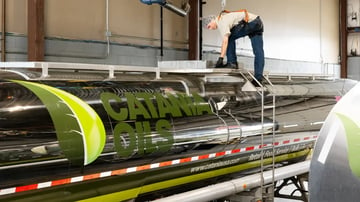
If an early winter storm delays your next oil delivery, how long can your operation keep moving?
That answer depends on more than what you ordered. It depends on what’s usable and available when you need it. Whether you’re running a production line, stocking store shelves, or supplying restaurant kitchens, relying on a small inventory cushion can leave you exposed when replenishment takes longer than planned.
The same question, different constraints
The goal’s the same: keep enough oil available for when replenishment is delayed. Where you hold it, how quickly you use it, and how much space you have depend on your operation.
Food manufacturers: A higher tank level may protect production during a delay, but will the next tanker fit if it arrives on schedule? Test both possibilities against your usable capacity, expected consumption, and agreed load size.
Restaurants and foodservice operators: How much oil can each location store, and how long will it last if a distributor delivery is delayed? Review expected use, delivery schedules, and the point at which a location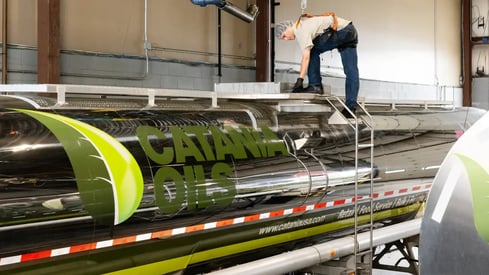 should alert its distributor.
Retailers: Where does your buffer sit: on the shelf, in the back room, or at a distribution center? Consider how a demand surge or delayed replenishment could affect availability across locations.
In each case, confirm who controls the inventory you’re counting on. Stock held elsewhere in the supply chain isn’t necessarily reserved for your operation.
Winter can affect more than the delivery date
Cold weather can cause some plant-based oils to thicken or solidify. How an oil responds depends on the oil itself, the batch, and the conditions it encounters during delivery.
Ask your oil partner or distributor what handling and temperature considerations apply to your product and delivery format. Include any receiving or release time in your plan: oil that has arrived isn’t necessarily available for immediate use.
Decide when to act
There’s no universal safety-stock number. Before winter puts your plan under pressure, ask:
- How long will usable inventory last at expected and higher-than-expected demand?
- What happens if the next delivery takes longer than planned?
- What storage or receiving limits affect the next order?
- At what inventory level or projected delay should your team act?
- Who needs to be contacted, and what options are available?
A disruption plan needs a trigger. Waiting until the supply is almost gone leaves fewer decisions within your control.
Talk with your Catania Oils team or distributor about your usage, storage space, and winter delivery requirements. We can discuss where your current plan can absorb a disruption and where a contingency may be needed.
Related reading --> Lock, Layer, or Leave Open? A Basic Framework for Edible Oil Buying. Explore how your forecast, inventory position, and storage capacity can inform your approach to pricing coverage.